





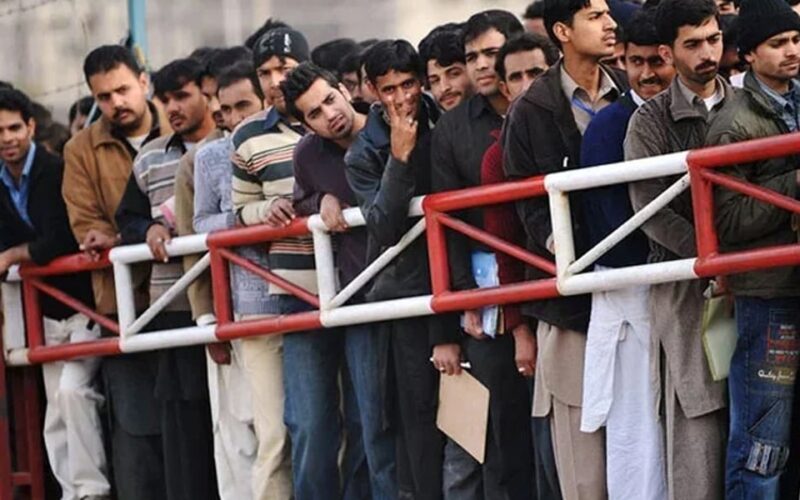
Only 7 per cent of Pakistan’s youth have access to formal technical and vocational training, compared with the regional average of 22pc, while the skills gap is estimated to cost the country $31.5 billion annually in lost productivity and unrealised export potential, according to the World Bank.
The issue of youth employment in the age of artificial intelligence (AI) is being discussed at the World Economic Forum’s annual meeting of Global Future Leaders, which opened in Dubai on Tuesday, with Pakistan emerging as a case study in efforts to bridge the gap between education and employment.
Nearly one-third of Pakistanis aged 15 to 29 are not in education, employment or training (NEET). Among young women, the proportion exceeds half, highlighting the challenges they face in accessing education and employment opportunities.
The problem extends beyond a lack of skills, with limited access to career guidance, structured mentorship, industry networks and reliable labour market information preventing young people from connecting their qualifications with available jobs.
Graduate unemployment in Pakistan stands at 18.3pc, exceeding the overall unemployment rate of 14.7pc across all education levels. The figures highlight the growing disconnect between educational qualifications and employment opportunities.
According to Gallup Pakistan’s analysis of the Pakistan Labour Force Survey 2024-25, unemployment among graduates aged 20 to 24 has reached 32.8pc, meaning nearly one in three young graduates in this age group is unemployed.
The findings suggest that obtaining a university degree is increasingly becoming the beginning of a job search rather than a guarantee of employment.
As artificial intelligence reshapes the global job market, Pakistan faces the challenge of equipping its young population with relevant technical skills while strengthening the links between educational institutions and employers.
The case study highlights the need for better career counselling, practical training, mentorship and industry engagement to help young Pakistanis translate their education and abilities into productive employment.
Make the headline more conciseTighten repetitive unemployment paragraphs